The Power of Student Activism

The Power of Student Activism

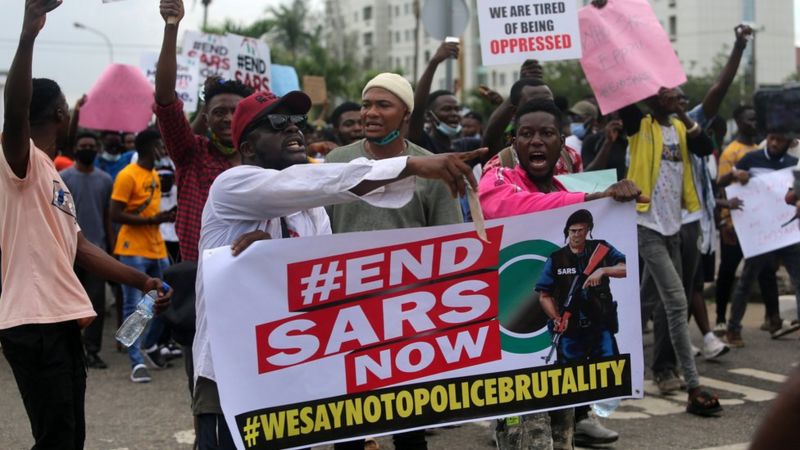
In recent years, student activism has emerged as an essential aspect of student life, playing a pivotal role in influencing political events and bringing about significant change. The historical roots of youth activism can be traced back to the 1960s when young people worldwide organized protests on issues such as civil rights, poverty, and war. Today, student activists continue to make their mark on the world, with prominent figures like Greta Thunberg leading the fight against climate change and inspiring youth worldwide to join protests and demand action. As we observe UN World Student Day on October 15, it is crucial to recognize and celebrate the contributions of student activists who are working tirelessly for a better future. These young leaders utilize their education and knowledge to address pressing global challenges and serve as spokespeople for future generations, demonstrating the power of young voices in shaping the world.

Empowering Movements

The 1960s marked a turning point for youth activism, as young people took to the streets to challenge societal norms and demand change. The civil rights movement in the United States, led in part by students, fought for racial equality and justice. Similarly, protests against the Vietnam War mobilized students globally, showcasing their collective power to challenge established authority. These movements illustrated the potential impact of youth activism and highlighted the importance of amplifying young voices.

Greta Thunberg: A Leading Voice for Climate Change

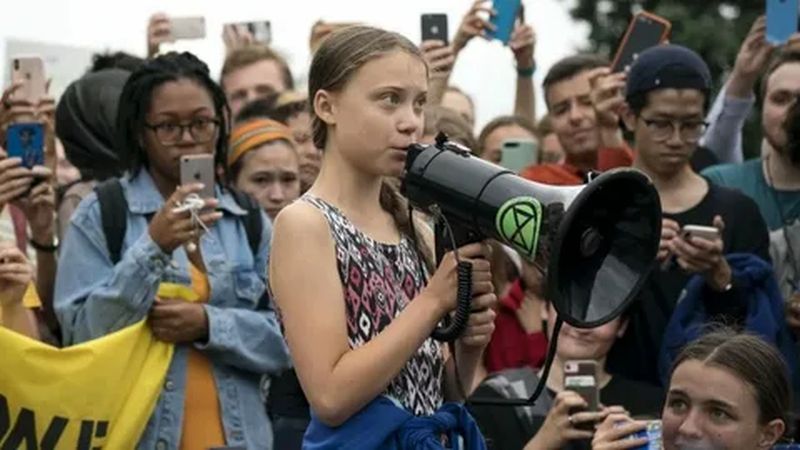
Greta Thunberg, a Swedish student, has become an iconic figure in the fight against climate change. At a young age, she recognized the urgent need to address the environmental crisis and inspired millions of young people to take action. Thunberg’s powerful speeches and strikes have galvanized a global movement, including the formation of Fridays for Future, which raises awareness about climate change and demands immediate action from world leaders. Her unwavering determination and ability to mobilize youth worldwide demonstrate the profound influence of student activists in shaping the discourse around critical global issues.

Diverse Voices, Diverse Causes

Student activists come from diverse backgrounds and champion a wide range of causes. Jamie Margolin, a climate activist and NYU student, co-founded Zero-Hour, an organization focused on addressing climate change, and organized national climate marches. Margolin’s efforts highlight the ability of young people to mobilize communities and advocate for environmental sustainability. Ose Arheghan, a student at Ohio State University, has been actively advocating for LGBTQ+ rights and campaigning against discrimination and bullying. By using their platforms to promote inclusivity and equality, Arheghan exemplifies the power of student activism in driving social change. Drew Pavlou, a student activist at the University of Queensland, Australia, has faced criticism and suspension for his pro-Hong Kong democracy stance. Despite the challenges, Pavlou’s activism highlights the resilience of young voices in standing up for human rights and democracy. Charitie Ropati, an Indigenous student at Columbia University, fights for the representation and recognition of indigenous communities in education. Ropati’s dedication to promoting indigenous rights demonstrates the importance of intersectionality in student activism. Malaika Gangooly, a journalism student at City University London, organizes Black Lives Matter protests and strives to end racial discrimination. Gangooly’s commitment to combating racial injustice exemplifies the power of student activism in challenging systemic oppression.

Inspiring Change, Influencing the World

Student activists like Emma González, a survivor of the Parkland shooting, have become prominent figures in their respective movements. González’s advocacy for gun control has sparked an international conversation on the need for stricter measures to prevent gun violence. Her courage and determination have inspired a generation of young activists to demand change and hold policymakers accountable. These student leaders utilize their education and knowledge to raise awareness, mobilize communities, and effect change. Through their advocacy and activism, they are not only influencing political landscapes but also shaping the social fabric of our societies.

The Enduring Legacy of Student Activism

Student activists play a vital role in shaping the future by leveraging their education, knowledge, and passion to address pressing global challenges. The contributions of young leaders like Greta Thunberg, Emma González, Jamie Margolin, Ose Arheghan, Drew Pavlou, Charitie Ropati, and Malaika Gangooly cannot be understated. They embody the power of young voices in creating meaningful change and inspiring others to take action. On World Student Day, it is essential to recognize and celebrate the achievements of student activists who are working tirelessly for a better future. Their passion, determination, and resilience serve as an inspiration for students and individuals worldwide, reminding us that change is possible and that our voices matter. By amplifying their causes and advocating for a more inclusive and sustainable world, student activists are shaping the narrative of our time and paving the way for a brighter future.

Gun Violence: A Growing Epidemic among American Youth

Gun Violence: A Growing Epidemic among American Youth

Gun violence has emerged as the leading cause of death among American children, surpassing all other causes. The alarming statistics and facts paint a grim picture of a nation grappling with an epidemic that demands urgent attention. As youth activists, it is our responsibility to shed light on this issue and demand meaningful action from our lawmakers. In this article, we will explore the devastating impact of gun violence on American youth and the efforts undertaken by young activists to effect change.

Grim Statistics

In 2021, gun violence claimed a record-breaking number of lives in the United States, with 48,830 people losing their lives. Shockingly, approximately 4,000 children and teenagers are fatally shot each year, and an additional 15,000 are injured. This devastating toll on young lives is simply unacceptable.

The magnitude of gun violence’s impact on American youth cannot be understated. It is not just a statistical anomaly; it represents a profound loss of potential, dreams, and futures. The trauma inflicted on surviving victims and their families is immeasurable, leaving a lasting emotional and psychological scar.

Disturbing Disparities

When compared to other high-income countries, American children between the ages of 5 and 14 are 21 times more likely to be killed with a gun. Likewise, young people aged 15 to 24 in the US are 23 times more likely to fall victim to gun violence. These disparities highlight the urgent need for effective gun violence prevention measures in the United States.

These statistics should serve as a wake-up call to our society. They reveal a deeply rooted problem that demands immediate action. The fact that our children and young adults face such disproportionately higher risks of gun violence than their peers in other developed nations is a national shame.

School Shootings: A Harrowing Reality

School Shootings: A Harrowing Reality

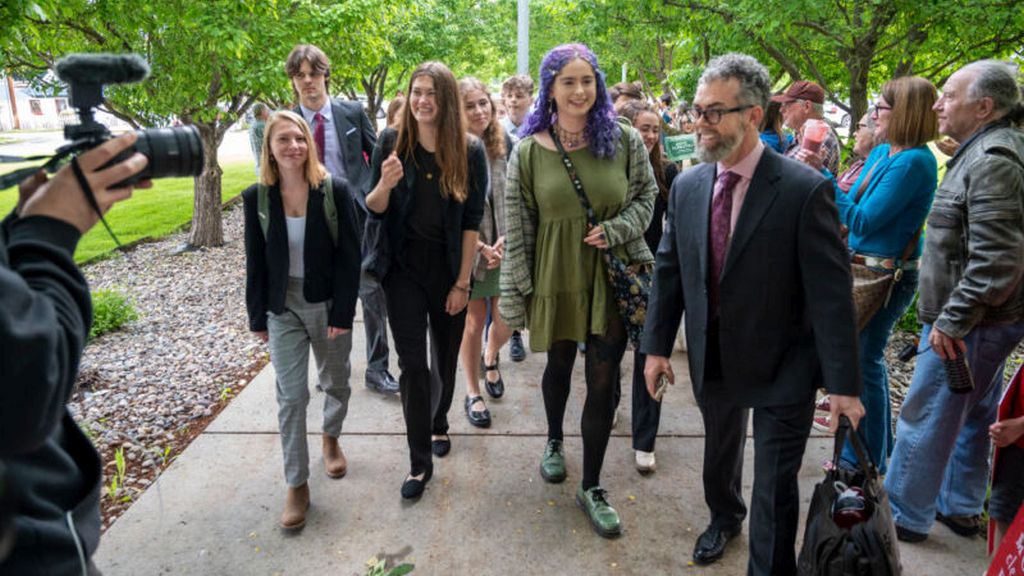
The safety of our educational institutions has been shattered by gun violence. Between 2013 and 2023, there were at least 750 incidents of gunfire on school grounds, resulting in 245 deaths and 540 injuries. The survivors of the Marjory Stoneman Douglas High School shooting in Parkland, FL, have become influential leaders in the fight against gun violence, inspiring a movement called March for Our Lives.

The tragic reality of school shootings has become an all-too-familiar headline in the United States. The harrowing stories of students hiding in fear, teachers heroically protecting their students, and lives lost too soon have shaken our nation to its core. The Parkland shooting survivors, propelled by their firsthand experience of the horrors of gun violence, have channeled their grief into a powerful force for change.

Youth-Led Activism

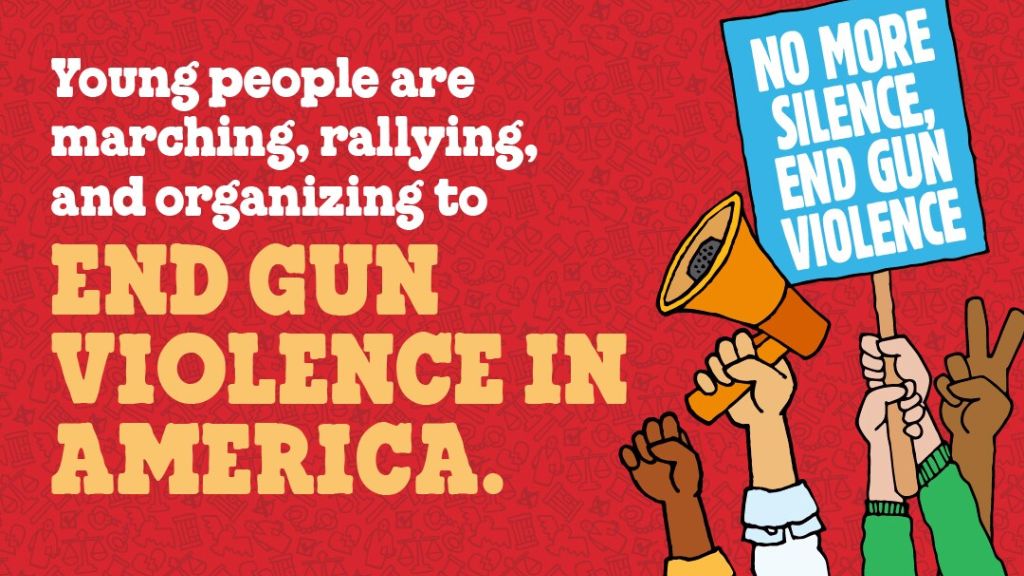
March for Our Lives, spearheaded by survivors of the Parkland shooting, has mobilized hundreds of thousands of young people and parents across the nation. Students Demand Action and other organizations have also been formed by young activists demanding concrete measures to address gun violence. The collective efforts of these groups reflect the frustration and determination of the youth to bring about change.

The emergence of youth-led activism against gun violence has been a ray of hope in an otherwise bleak landscape. Young people, who have grown up in the shadow of gun violence, are refusing to accept it as the new normal. They are raising their voices, organizing rallies and marches, and demanding accountability from policymakers.

Legislative Inaction and Pro-Gun Influence

Despite the widespread public support for gun violence prevention measures, the influence of pro-gun groups and the flow of money to lawmakers have hindered meaningful legislative action. The recent refusal of Republican lawmakers in Tennessee to take action on gun violence, even in the wake of a shooting, is a stark example of this trend.

The political landscape surrounding gun control is fraught with powerful interest groups and deep divisions. The influence of pro-gun organizations, such as the National Rifle Association (NRA), has cast a long shadow over the policymaking process. The result is a gridlock that prevents necessary reforms from taking place, leaving our children vulnerable to the next tragedy.

The Power of Youth Voices

In response to the inaction of lawmakers, young activists have intensified their efforts and protests. The nationwide student walkout inspired by the Nashville protest exemplifies the frustration and collective demand for change. The participation of young Black lawmakers, Justin Jones and Justin Pearson, further highlights the intersectional nature of the movement against gun violence.

The refusal of lawmakers to prioritize the safety of children and teens has galvanized young activists even further. They refuse to be silenced or ignored. With unwavering determination, they take to the streets, organize walkouts, and engage in peaceful protests, demanding that their lives be valued and protected.

Demanding Action for a Safer Future

Gun violence has become an epidemic plaguing American youth. The staggering number of deaths and injuries, particularly in schools, demands immediate action. Youth activists, fueled by their determination to create a safer future, have taken the lead in advocating for gun violence prevention measures. It is high time for lawmakers to heed their call and enact meaningful legislation that addresses this pressing issue. The future of our nation’s children depends on it. The time for change is now, and we must stand together to end this epidemic of gun violence.

Empowering Children through Values and Constructive Engagement

Empowering Children through Values and Constructive Engagement

Children’s literature has experienced a significant transformation in recent years, incorporating politically charged themes and addressing pressing social issues such as gender equality, racism, poverty, immigrants’ rights, and political engagement. While educating children about these matters is crucial, concerns have emerged regarding involving children in activism. In this article, we will delve into the apprehensions surrounding youth activism, the vital role of parents in shaping their children’s political education, the importance of value-based discussions, and the positive impact that activism can have when taught correctly.

Nurturing Open-Mindedness

One of the concerns associated with youth activism is the potential for children to develop unwavering certainty in their own righteousness, which can lead to tribalistic thinking and a lack of open-mindedness. However, it is important to note that a good activist possesses qualities of confidence and conviction while remaining receptive to differing perspectives. Encouraging critical thinking and fostering an environment where open dialogue is valued allows children to develop their own beliefs while respecting and understanding diverse opinions.

Children’s literature, which has increasingly become politicized, serves as a powerful tool in initiating conversations about social issues. By exposing children to various perspectives through literature, parents and educators can encourage them to question, analyze, and think critically about complex social problems. This exposure helps children develop the necessary skills to navigate nuanced discussions and form their own informed opinions.

The Vital Role of Parents

Parents play a pivotal role in shaping their children’s political education and should not shy away from engaging in political conversations, even if their children may not be fully prepared for them. Waiting for children to reach a certain developmental stage to understand nuance is insufficient, as they are already exposed to political discussions through their peers and the media. Instead, parents can adopt an age-appropriate approach to political conversations, introducing concepts gradually and providing context to help children make sense of complex issues.

By approaching political discussions with sensitivity, openness, and age-appropriate language, parents can guide their children’s moral compass and cultivate a sense of civic responsibility. Engaging children in conversations about values, empathy, and the importance of fairness lays the foundation for their understanding of social justice. Moreover, parents should foster an environment that encourages children to ask questions, express their opinions, and engage in respectful debates.

Value-Based Discussions

Value-Based Discussions

Effective civic engagement should be rooted in values rather than solely focusing on specific issues. This approach allows families to identify the causes they care about deeply and determine how they can positively impact their communities. Teaching children about different value systems and exposing them to diverse perspectives encourages them to understand and respect viewpoints across the political spectrum.

By discussing political issues in terms of values, parents can help children understand the moral and ethical implications involved. This approach enables children to develop a broader perspective and appreciate the complexities inherent in social and political problems. For example, discussing the value of fairness can help children understand the importance of equal opportunities for all, while discussing empathy can help them recognize and address the struggles faced by marginalized communities.

Value-based discussions are adaptable to children’s developmental stages, enabling them to grasp concepts such as fairness and the misalignment of expectations and actions. By framing political discussions in terms of values, parents can instill a sense of social responsibility and promote active citizenship in their children from a young age.

Activism as a Tool for Positive Change

When taught correctly, activism can instill values such as collaboration, civil communication, and engagement with figures of authority. Instead of emphasizing conflict or confrontation, children should be taught how to engage and communicate effectively, fostering a spirit of cooperation and understanding. By discussing issues with their children using the language of values and focusing on constructive actions, parents empower their children to make informed decisions and contribute to positive change within their communities.

Teaching children about the power of peaceful protests, letter-writing campaigns, or volunteering opportunities can help them understand the different ways they can create meaningful change. Encouraging children to engage in constructive dialogue with community leaders, elected officials, or school administrators allows them to develop important skills such as negotiation, compromise, and active listening.

It is important for children to recognize that activism is not solely about fighting against injustice but also about creating solutions and building bridges between diverse perspectives. By emphasizing the importance of empathy, respect, and collaboration, parents can nurture their children’s ability to be effective activists who seek common ground and promote social harmony.

Conclusion

Children’s literature has evolved to reflect the social challenges of our time, serving as a platform for addressing pressing issues and inspiring young minds. Although concerns exist regarding involving children in activism, it is essential to nurture their understanding of injustice and equip them with the tools for positive change. Through the imparting of values, the cultivation of open-mindedness, and the encouragement of constructive engagement, parents can guide their children toward becoming informed, empathetic, and effective young activists. Armed with these skills, children can play an active role in shaping a more inclusive and just society. By embracing activism as a means to create positive change and fostering constructive dialogue, we can empower the next generation to be compassionate, engaged citizens committed to building a better world for all.

Empowering Children: Reflecting on the Global Fight Against Child Labour

Empowering Children: Reflecting on the Global Fight Against Child Labour

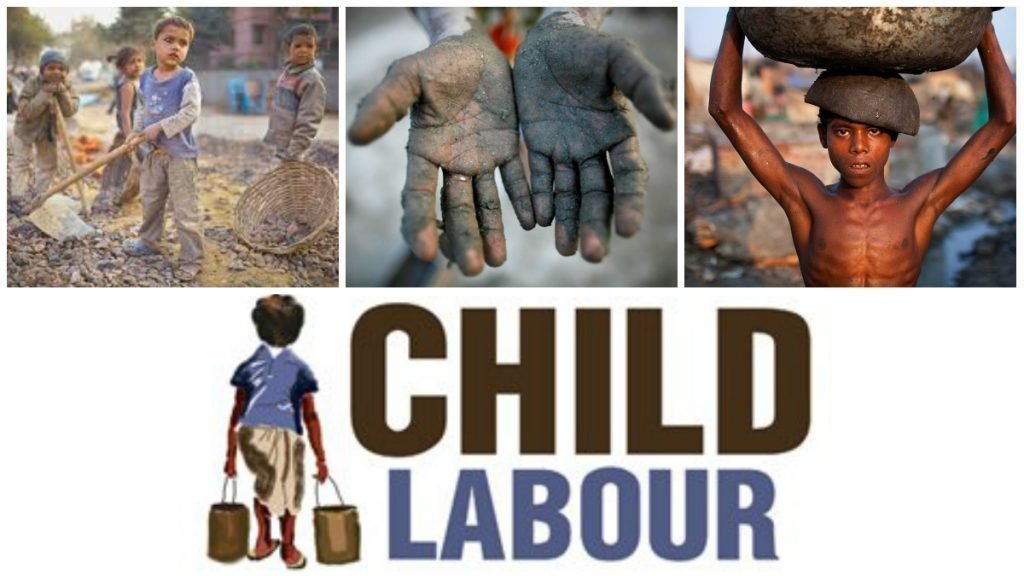
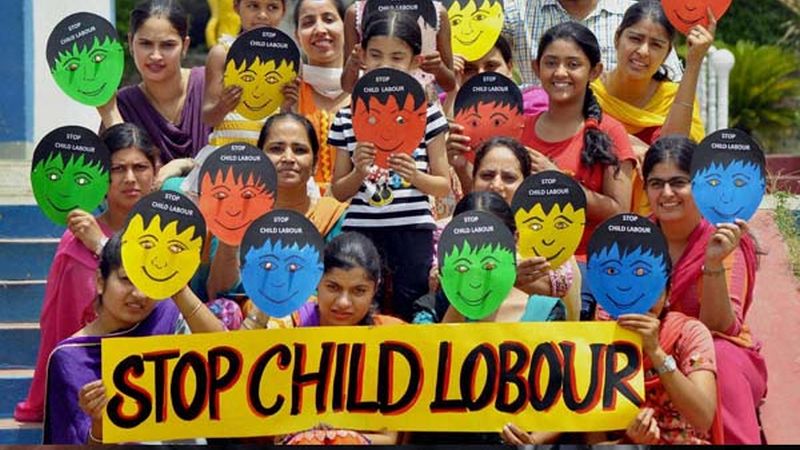
Child labour continues to be a pervasive issue that deprives millions of children of their fundamental rights and hampers their development. The 17th National Webinar on Child Labour, organized by the Union Law Ministry, serves as a timely reminder to observe the World Day Against Child Labour. This article sheds light on the remarkable efforts undertaken by renowned activist Kailash Satyarthi, the impact of the Global March Against Child Labour, and the subsequent establishment of international laws to combat this problem.

Global March Against Child Labour

In 1998, Kailash Satyarthi initiated the Global March Against Child Labour from Manila, Philippines. With a passionate commitment to eradicating child labour, Satyarthi embarked on an arduous journey spanning approximately 80,000 km across 103 countries. This historic march aimed to raise awareness about the often-overlooked issue of child labour, shining a spotlight on the struggles faced by countless children around the world.

Demanding Change and Recognition

The Global March Against Child Labour served as a powerful platform for demanding change and recognition. With over 1.5 crore people participating in the march, including influential world leaders such as Prime Ministers, Presidents, Kings, and Queens, it became an undeniable testament to the urgency of action. The marchers advocated for two fundamental demands: the establishment of an international law against child labour and the creation of a dedicated day to raise awareness about child labour issues.

The Impact on International Legislation

The Global March exerted immense pressure on the United Nations and the International Labour Organization (ILO), leaving them unable to ignore the issue of child labour. The resounding voices of the marchers compelled the international community to take action. On June 17, 1999, the ILO Convention 182 was passed, marking a significant milestone in the fight against child labour. This convention called for immediate action to eliminate the worst forms of child labour and garnered unanimous adoption and ratification by 181 countries, including India.

World Day Against Child Labour

World Day Against Child Labour

Recognizing the need for a dedicated day to raise awareness and foster global solidarity, the World Day Against Child Labour was established on June 12, 2002. This annual observance serves as a reminder of the persistent struggle against child labour and reinforces the collective responsibility to eradicate this harmful practice. Each year, the World Day Against Child Labour provides a platform to advocate for the rights of children and to rally support for efforts to combat child labour worldwide.

Conclusion

Kailash Satyarthi’s tireless activism and the Global March Against Child Labour have left an indelible impact on the fight against child labour. The subsequent establishment of the ILO Convention 182 and the World Day Against Child Labour highlight the global commitment to addressing this pressing issue. While progress has been made, it is crucial to recognize that the fight against child labour is far from over.

As youth activists, we must continue to empower children, raise awareness, and advocate for their rights. By engaging in dialogue, supporting organizations working on the ground, and amplifying the voices of child labourers, we can contribute to creating a world where every child is free from exploitation and can enjoy their childhood. The World Day Against Child Labour serves as a reminder of the ongoing struggle and the need for continued efforts to eradicate this harmful practice. Together, let us strive towards a future where every child can thrive, unhindered by the shackles of child labour.

Empowering Young Voices: How Youth Activists Are Shaping the Future

Empowering Young Voices: How Youth Activists Are Shaping the Future

In recent years, youth activists have emerged as powerful voices for change, challenging societal norms and demanding action on critical issues. These passionate young individuals are driving movements, advocating for justice, and reshaping the world we live in. From climate change to racial equality, they are leading the way and inspiring generations to come. This article explores the impact and importance of youth activism, highlighting how these young voices are empowering themselves and shaping the future.

The Power of Youth Activism

Youth activism has proven time and again that age is not a barrier to making a difference. With the rise of social media and the accessibility of information, young people are more connected than ever, allowing them to raise awareness and mobilize support for their causes. By leveraging their voices, they have successfully influenced policymakers, challenged societal norms, and brought attention to pressing global issues.

Climate Justice: A Call to Action

One of the most prominent movements led by youth activists is the fight for climate justice. As the inheritors of a planet in crisis, young people are taking the lead in demanding urgent action to combat climate change. Inspired by environmental activists like Greta Thunberg, they have organized strikes, lobbied governments, and put pressure on corporations to prioritize sustainability. Their unwavering determination has forced the world to pay attention and take steps towards a greener future.

Social Justice and Equality: Breaking Barriers

Social Justice and Equality: Breaking Barriers

Youth activists are also at the forefront of the battle for social justice and equality. They refuse to accept the status quo and are actively working to dismantle systemic racism, gender inequality, and discrimination in all its forms. Through grassroots organizing, online campaigns, and advocacy, they are challenging oppressive structures and amplifying marginalized voices. Their efforts are not only creating a more inclusive society but also inspiring others to join the fight for a fairer world.

Mental Health Advocacy: Destigmatizing the Conversation

Mental health has long been a topic shrouded in silence and stigma. However, youth activists are changing the narrative by openly discussing mental health issues and advocating for better support systems. Through social media platforms and community initiatives, they are promoting mental health awareness, offering resources, and pushing for comprehensive mental health education in schools. Their commitment to destigmatizing mental health is crucial in ensuring that no one suffers in silence and that necessary support is available to all.

Conclusion:

The rise of youth activism is a powerful testament to the strength of young voices and their potential to shape the future. From climate justice to social equality and mental health advocacy, these young activists are driving meaningful change in society. By harnessing their passion, determination, and connectivity, they have successfully brought attention to critical issues and inspired millions to take action. As we move forward, it is essential to empower and amplify youth voices, recognizing their unique perspectives and contributions. The future belongs to them, and by supporting their activism, we can collectively create a better world for all.

Exploring the Impact of Climate Change on Youth Activism

Exploring the Impact of Climate Change on Youth Activism

In recent years, youth activism has emerged as a powerful force in driving social and political change. Young people around the world are taking to the streets, organizing strikes, and demanding action on various issues. One of the most pressing concerns facing humanity today is climate change, which has become a rallying point for youth activists worldwide. This article delves into the impact of climate change on youth activism, highlighting the urgency and resilience of young activists in the face of this global crisis.

I. Understanding Climate Change: A Brief Overview

Before delving into the impact on youth activism, it is important to grasp the gravity of the climate crisis. Climate change refers to long-term shifts in weather patterns and temperature, primarily caused by human activities such as burning using fossil fuels, deforestation, and industrial processes. Its consequences are far-reaching and include rising temperatures, extreme weather events, sea-level rise, and the loss of biodiversity. The urgency of the situation demands immediate action from all sectors of society, and youth activists are leading the charge.

II. The Rise of Youth Activism

Passionate Voices: Youth activists have been at the forefront of climate change activism, bringing a fresh perspective and unwavering determination to the cause. They recognize the consequences that future generations will face if urgent action is not taken, and they refuse to be silenced. Through social media platforms, youth-led organizations, and local grassroots movements, young activists are amplifying their voices and demanding change.

Global Movements: Inspired by young activists like Greta Thunberg, the Fridays for Future movement has gained momentum worldwide. Every Friday, students around the globe skip school to protest inaction on climate change, demanding that governments take immediate and tangible steps to combat the crisis. The international nature of these protests highlights the interconnectedness of the climate crisis and the need for global collaboration.

III. Motivations and Challenges Faced by Youth Activists

Motivations and Challenges Faced by Youth Activists

Fear for the Future: The youth activists driving the climate movement are motivated by the fear of an uncertain future. They understand that the consequences of inaction will be borne by their generation and those to come. The urgency of their message reflects the deep concern they feel for the planet and future generations.

Inadequate Political Response: Despite the overwhelming evidence and scientific consensus on climate change, political responses have often been inadequate. This lack of action can be demoralizing for youth activists who put tremendous effort into raising awareness and demanding change. However, it also fuels their determination to fight for a sustainable future.

IV. The Impact of Climate Change on Youth Activism

Amplifying Awareness: Climate change serves as a unifying force for youth activism, galvanizing young people across borders and cultures. As the impacts of climate change become more visible, the urgency to act is further reinforced. Young activists are utilizing various mediums, such as social media, art, and storytelling, to raise awareness and mobilize communities.

Fostering Resilience: The challenges posed by climate change can be overwhelming, but youth activists have shown remarkable resilience in the face of adversity. They refuse to back down, even when faced with skepticism or apathy. The urgency of the climate crisis has united young activists in a common goal, fostering resilience and determination to effect meaningful change.

V. The Importance of Youth-Led Solutions

Innovation and Creativity: Youth activists bring fresh perspectives and innovative ideas to the table. Their creativity and willingness to challenge the status quo have the potential to reshape the dialogue around climate change and drive sustainable solutions.

Intersecting Movements: Climate change intersects with various other social justice movements, including racial equity, gender equality, and indigenous rights. Youth activists understand the importance of addressing these interconnected issues and strive for an inclusive and just transition to a sustainable future.

Conclusion:

Climate change has had a profound impact on youth activism, igniting a global movement that demands immediate action to combat the crisis. Youth activists are not only raising awareness but also driving tangible change through their unwavering determination and resilience. As the consequences of climate change become increasingly apparent, it is crucial to support and amplify the voices of these young activists. Their passion, creativity, and commitment offer hope for a more sustainable future, inspiring us all to take action and create lasting change.

Are we working well together?

Are we working well together?

blog by Cathy Sharp, Research for Real

One of the recent highlights of my working life was a week when I took part in contrasting events and activities across Scotland. These spanned people and settings as wide ranging as academics interested in how to create ‘meaningful dialogue drawing on diverse knowledge’; care home managers wanting to engage staff, relatives and residents much more in creating high quality care; and GPs and other health and social care professionals interested in how their own developing collaborative leadership practices might produce better outcomes for people and communities. The highlight of a stimulating week was taking part in a Space Unlimited Lasting Change event that brought young people and teachers from different schools together to explore how to engage and sustain young people to be genuine and active partners in learning.

If there was a theme of the week, it might have been ‘how we talk to each other’ and ‘how we work together’ to learn. It seems to be all about relationships, not so much ‘who you know’ as ‘how you know’ – in and through relationships, where people can come together, to take the time to really know each other as human beings. In talking about their own experience of the Space Unlimited enquiry process, one of the young people said, that “there are people with good ideas out there, but they don’t feel confident or in the environment to share them”. My mind drifted to the staff meetings where most people don’t take part and those who shout the loudest get heard. Another young person suggested “all it takes is one conversation where your ideas get heard and it feels better” and so transported me back to my relief after sharing my anxieties about my mother with her care home manager. Then I heard that some [other young] people were coming to the Space Unlimited enquiry for different reasons, like getting out of class, and that it slowed things down for everyone else. Again, I was back in those meetings where you lose the will to live. And the young people must have known what I was thinking because next came “sometimes older people don’t feel heard either, or comfortable to share their ideas”.

It was an emotional and positive day. I shared these nuggets and got a Twitter howl of recognition from some unexpected quarters. It seems we’re not working well together, when we often say that this is want we want to do and just when, perhaps more than ever, this is what we need to do.

Words like challenge and disruption are strong words that might induce fear and conjure mayhem in our minds. But how might we ‘positively disrupt’ the unspoken ground-rules and invisible norms of school and working life? The ‘rules’ about who talks and when, who is heard and how the way we do this might be a tool for joint enquiry and learning – genuinely thinking and working together, whether we’re teachers and pupils, managers and carers or GPs and patients. We could learn a lot from young people, who have shown that, given the right conditions, they can say simply and sincerely what they see or feel in dialogue with others. And when they do this, the conversation almost always shifts to something more open, interesting and more possibility and hope-full. The young people sense this potential:

“I just don’t get why more of school can’t be like this, I mean, we learn about everything else – well, when we actually study – but not …you know…’us’.”

Can we all take more time to ‘study us’? Imagine what we might learn if we did.


If you’re interested to hear more about the Working Well programme, check out the case study here.

New Trustees

New Trustees

Can you contribute your knowledge and experience to make a difference? Do you believe young people deserve a voice?

 Space Unlimited has vacancies for new Trustees and we would love to hear from you.

Non-remunerated. This post is voluntary, although reasonable expenses, related to your duties as a Trustee, will be paid.

Four Board meetings per annum in Glasgow.

Established in 2006, Space Unlimited is a charity and social enterprise based in Glasgow working across Scotland. We support organisations to work in direct collaboration with young people in order to design and take action together. Our innovative youth-led enquiry process is a powerful catalyst for more collaborative leadership and for building skills and resilience – in individuals, within groups and across wider communities.

We are seeking to attract applicants for two positions on the Board. One with knowledge and experience of the fundraising sector and one from the social justice sector.

Our Board of Trustees guides our future and we are looking to make an appointment that will further strengthen and complement the skills and experience of our existing Board and help us deliver our strategic plan. As a Trustee you should be passionate about young people’s role in making change happen.

Please contact Lucy Walker on 0141 424 1403 or [email protected] to discuss further. A CV and an idea of what knowledge and experience you can bring to the organisation will be really helpful, but in the first instance let’s have a chat.


This is an open application process with no set deadline.

Confident Transitions - trip to Loch Lomond

Confident Transitions – trip to Loch Lomond

Our Confident Transitions programme supports young people who are uncertain about their next steps after school and helps them to learn more about themselves, their passions and their talents.

The past year we’ve been supporting a group of S4 pupils (from Drumchapel High, St Thomas Aquinas, John Paul Academy and St Paul’s RC High School) through our Confident Transitions programme, and we took them on a trip to Loch Lomond to end the school year and reflect on their journey so far with us. The day was a lot of fun and we wanted to share some of the photographs of what we got up to:

Challenges centered around teamwork, focus and communication.
A scenic ferry trip from Tarbet to Inversnaid.
Reflection – woodland walks to reflect on what the young people feel they’re now more confident in, and how they feel about their ability to make change happen in their lives.

Islay and Jura

Last month we visited Isle of Islay to begin an exciting new long-term project, funded by Fourteen, which aims to help support young peoples’ aspirations on Islay and Jura. We ran some taster activities at Islay High School to recruit pupils that are interested in working with us and making a real difference in their community.

We asked the pupils to discuss the services and opportunities available to young people on the islands, before asking them to think about the following question:

How can we help to build a community that better supports the needs and aspirations of ALL local young people?

They were encouraged to respond with ideas based on their own sense of passion as well as the possibility of it happening, before considering the likely impact and effort of a project. Lots of great ideas were discussed – a bakery/youth cafe, community garden, gaming centre and more – and presented to a supporting group made up of local organisations, the Fourteen panel, parents and teachers.

Comments from the supporting group:

There is so much great energy in the room.
Can’t believe how professional they are.
The ideas are already sparking interest and support – and connections to other possibilities.
The group all seem to have grown in confidence.

We’re looking forward to returning to Islay to provide support to all involved in this project – the pupils as well as the group who will be assisting them – so their ideas can take shape and become meaningful over the next 18 months.

Funded by the Fourteen Programme | Foundation Scotland